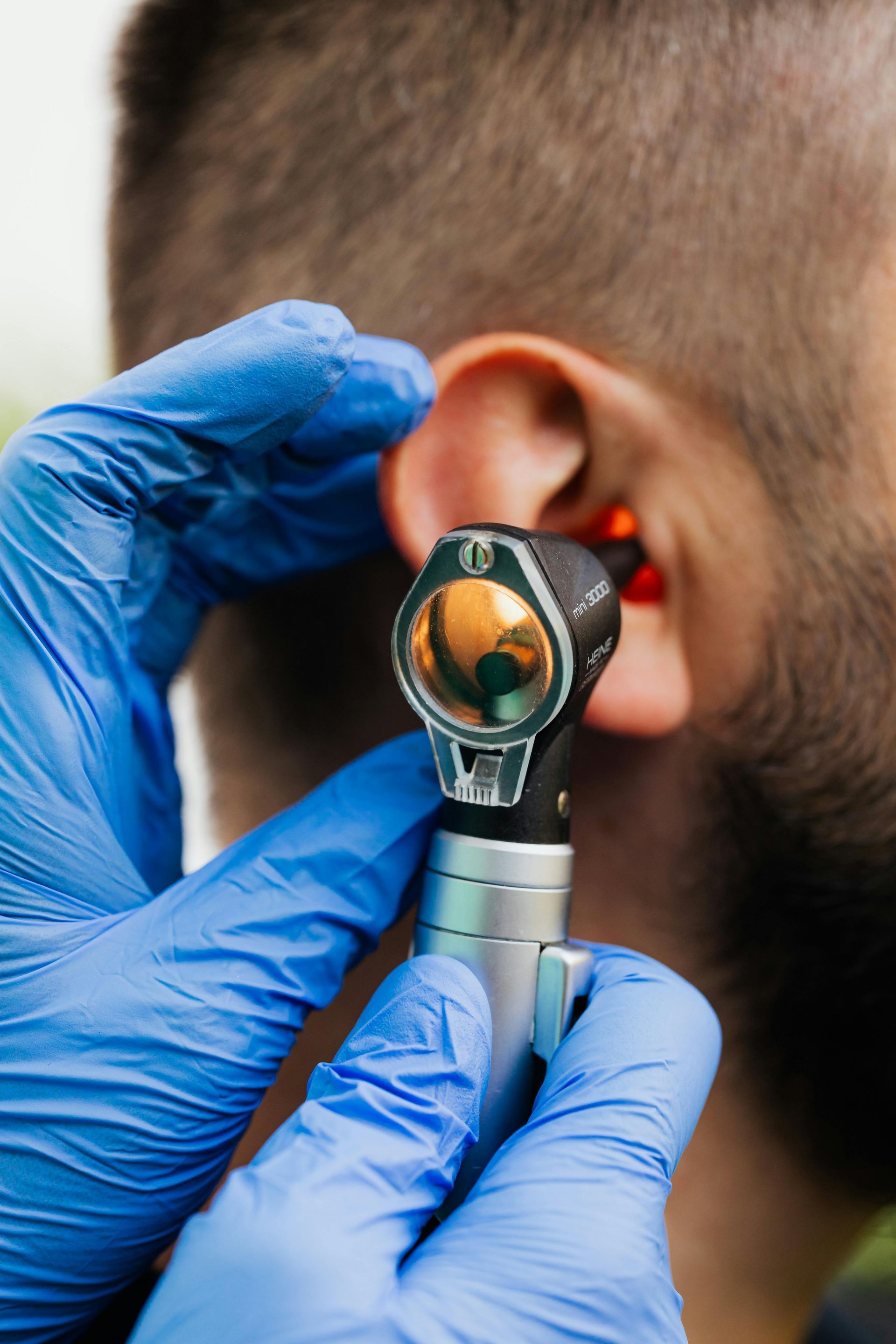
Why Regular Hearing Tests Are Just as Important as Eye Exams
Most people wouldn’t think twice about scheduling routine eye exams, yet hearing health is often overlooked. The truth is that hearing tests are just as important as vision screenings when it comes to overall well-being. Hearing is deeply important for communication, learning, safety, and social connection. So, when changes in hearing go undetected, they can gradually impact quality of life. However, scheduling regular hearing tests helps identify issues early, often before noticeable symptoms interfere with daily activities. Like vision changes, hearing loss can happen slowly over time, making it harder to recognize without professional evaluation.
How Often Should You Schedule Hearing Tests?
For children, hearing tests are important during early development. Newborns typically receive a hearing screening shortly after birth, but testing shouldn’t stop there. As children grow, periodic hearing tests help ensure they can clearly hear speech and classroom instruction. Undetected hearing problems can affect language development, academic performance, and social interaction. School-age children should have their hearing evaluated if there are concerns about speech delays, difficulty following directions, or frequent requests for repetition.
Adults should also make hearing tests part of their routine health care. Many providers recommend a baseline hearing test in early adulthood, followed by testing every few years. After the age of 50, hearing tests are generally recommended more frequently, especially since age-related hearing loss becomes more common. Anyone who works in a noisy environment or notices changes such as ringing in the ears or trouble understanding conversations should schedule hearing tests sooner.
Common Hearing Issues People Face
One of the most common reasons people need hearing tests is age-related hearing loss, also known as presbycusis. This condition typically develops gradually and may make it harder to hear high-pitched sounds or follow conversations in noisy environments.
Noise-induced hearing loss is another frequent issue. Exposure to loud music, machinery, or recreational noise can damage the inner ear over time. Hearing tests can detect early signs of this damage, even before noticeable hearing difficulty develops.
Tinnitus, often described as ringing or buzzing in the ears, is another common concern. While tinnitus itself is not a disease, it is often linked to underlying hearing changes. Hearing tests help determine whether tinnitus is associated with hearing loss and guide appropriate management options.
Other issues may include earwax blockages, middle ear infections, or sudden hearing changes. Regular hearing tests can identify these problems and help determine the next steps for treatment.
The Impact of Untreated Hearing Loss
Untreated hearing loss can affect more than just your ears. It can lead to frustration, social withdrawal, and difficulty communicating with family and friends. In children, it can interfere with learning and development. In adults, it can impact workplace performance, social interaction, and overall confidence. Hearing tests provide valuable insight into your hearing health and allow for early intervention when necessary.
CONTACT THE AUDIOLOGY CENTER FOR PROFESSIONAL HEARING TESTS
At The Audiology Center, comprehensive
hearing tests are designed to evaluate your hearing accurately and comfortably. Our team provides thorough assessments for children and adults, helping identify hearing changes and recommend appropriate solutions. Whether you are scheduling routine hearing tests or addressing specific concerns, The Audiology Center is committed to supporting your long-term hearing health.
Contact us today to schedule your hearing tests and take an important step toward better health.